Fulfillment Services for Ecommerce: A Practical Guide for Growing Brands in New York
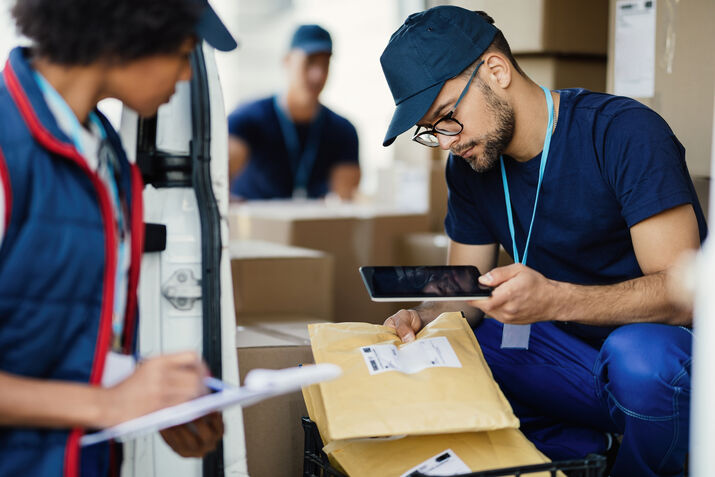
Running an ecommerce business looks simple from the outside. List products, get orders, ship boxes. But anyone who has done it knows the truth. Once orders increase, fulfillment becomes the hardest part of the business.
Late shipments, inventory errors, high shipping costs, and unhappy customers can slow growth fast. This is where fulfillment services for e-commerce play a critical role, especially for brands selling across the United States and from high-volume markets like New York.
What Are Fulfillment Services for E-commerce?
Fulfillment services for e-commerce handle the physical side of online selling. This includes storing inventory, picking & packing orders, and shipping them to customers. Returns are often handled too.
Instead of running your own warehouse, you work with a third-party logistics provider (3PL). They use their space, staff, and systems so you can focus on sales, marketing, and product development.
For New York-based businesses, this matters even more. Real estate costs are high. Labor is expensive. Space is limited. Outsourcing fulfillment often saves both time and money.
Why E-commerce Brands in New York Outsource Fulfillment
New York is one of the most competitive e-commerce markets in the U.S. Customers expect fast delivery. Same day or two day shipping is becoming normal.
Here are the main reasons brands choose fulfillment services for e-commerce:
1. Faster Shipping Across the U.S.
3PL providers operate multiple warehouses. Orders ship from the closest location, cutting transit time.
2. Lower Operating Costs
No need to lease warehouse space, hire staff, or manage equipment.
3. Better Order Accuracy
Professional fulfillment centers use barcode scanning and automation to reduce errors.
4. Easy Scaling
During peak seasons, order volume can double or triple. A 3PL absorbs that growth without disruption.
How E-commerce Fulfillment Actually Works
Many sellers outsource fulfillment without fully understanding the process. Here is a simple breakdown.
Step 1: Inventory Is Received
You send your products to the fulfillment center. Items are counted, scanned, and stored.
Step 2: Orders Sync Automatically
Your e-commerce store connects to the warehouse system. Orders flow in automatically.
Step 3: Pick and Pack
Warehouse staff pick the right items and pack them securely.
Step 4: Shipping and Tracking
Orders ship using optimized carriers. Tracking details are sent to customers.
Step 5: Returns Handling
Returned items are inspected, restocked, or flagged if damaged.
This end-to-end process is what people refer to as e-commerce fulfillment in real-world operations.
When Should You Outsource Fulfillment?
Not every business needs a 3PL from day one. But there are clear signs when it is time.
You should consider fulfillment services for e-commerce if:
- You ship more than 20 to 30 orders per day
- You are running out of storage space
- Shipping errors are increasing
- Delivery times are getting slower
- You want to sell nationwide or internationally
For many New York brands, outsourcing happens earlier due to space and staffing limits.
The Role of E-commerce 3PL Providers
An e-commerce 3PL does more than ship boxes. The right partner becomes part of your operation.
A strong e-commerce 3PL can help with:
- Inventory forecasting
- Shipping cost optimization
- Carrier selection
- Returns management
- System integrations
If you want to understand how specialized providers support brands, this e-commerce 3PL resource explains the operational side in more detail.
Choosing the Right Fulfillment Partner
Not all fulfillment services for e-commerce are the same. Choosing the wrong provider can create more problems than it solves.
1. Technology Integration
Your fulfillment partner should integrate easily with platforms like Shopify, WooCommerce, or custom systems.
2. Warehouse Locations
East Coast locations are important for New York brands, but national coverage matters for scaling.
3. Transparent Pricing
Avoid unclear fee structures. Ask for full breakdowns of storage, pick, pack, and shipping costs.
4. Experience with Your Product Type
Apparel, supplements, electronics, and fragile goods all need different handling.
5. Support and Communication
You need fast responses when issues arise. Delays cost money and trust.
Many businesses compare different 3PL logistic companies before making a decision.
Fulfillment and Customer Experience
Customers do not see your warehouse. They see the delivery.
Late shipments, damaged products, or wrong items lead to refunds and negative reviews. Reliable fulfillment services for ecommerce directly improve customer satisfaction.
Good fulfillment leads to:
- Faster delivery times
- Accurate orders
- Better packaging
- Easier returns
All of these increase repeat purchases and long term brand value.
Supporting Growth Beyond the U.S.
Many New York ecommerce brands start domestic, then expand globally. International shipping adds complexity.
Customs paperwork, duties and international carriers require experience. This is where a Global E-commerce Fulfillment Solution becomes important. It allows brands to ship internationally without building new infrastructure in every country.
Fulfillment Services vs In-House Warehousing
Some brands consider running their own warehouse. This can work for very large companies, but it is not ideal for most growing e-commerce businesses.
| Aspect | In-House Fulfillment | Outsourced Fulfillment |
| Cost Structure | High fixed costs | Flexible, variable costs |
| Staffing | Ongoing staffing challenges | Managed by fulfillment experts |
| Scalability | Limited scalability | Easy and fast scaling |
| Operational Risk | Higher operational risk | Reduced risk due to professional systems |
| Technology & Processes | Manual or limited systems | Advanced, professional fulfillment systems |
| Shipping Rates | Standard carrier rates | Access to discounted shipping rates |
Connecting Fulfillment to the Bigger Picture
Fulfillment should not operate in isolation. It connects directly to sales, inventory planning, and customer service.
Businesses that use reliable e-commerce fulfillment services can forecast better, manage stock levels, and avoid overselling or stockouts.
For brands looking for end-to-end product handling, these product fulfillment solutions show how logistics fits into the broader supply chain.