Product Fulfillment Warehouse: What It Is and When You Need One
What Is a Product Fulfillment Warehouse?
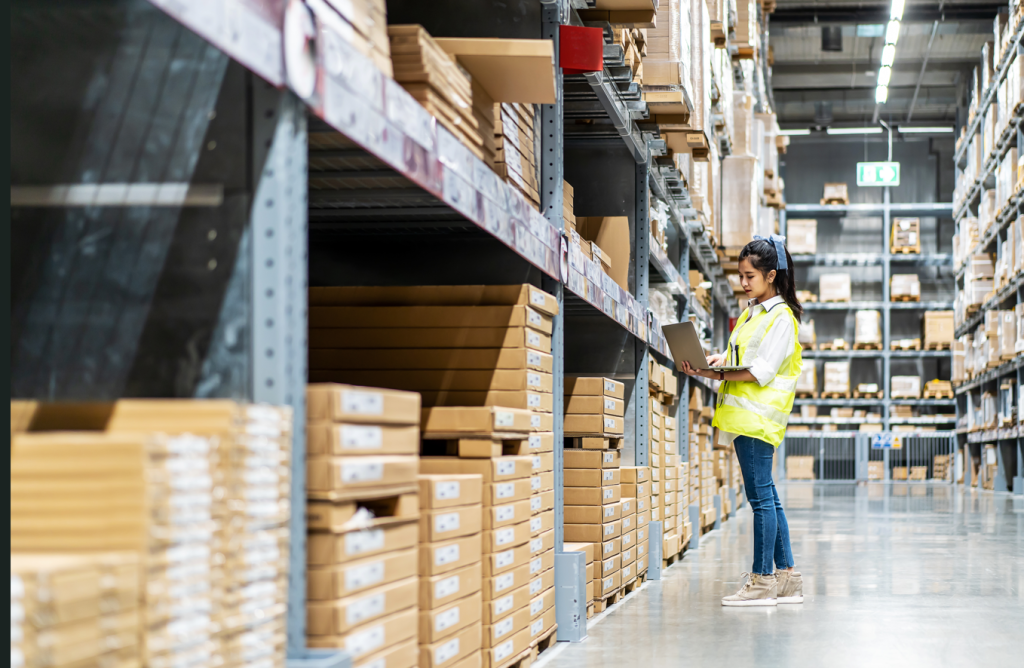
At its simplest, a product fulfillment warehouse is the place where your inventory lives and where orders actually get handled. Products are stored there, orders come in, items get picked and packed, and boxes go out the door to customers.
Instead of trying to manage shelves, shipping labels, and carrier pickups yourself, brands hand that whole side of the business over to a fulfillment warehouse. That way, your time goes into things like improving the product, running ads, or talking to customers while orders quietly move in the background.
Fulfillment warehouses are usually used by:
- Shopify and other ecommerce store owners
- Subscription-based brands
- Direct-to-consumer and marketplace sellers
- Growing businesses dealing with higher order volumes
Why Ecommerce Brands Rely on Fulfillment Warehouses
As soon as sales start picking up, fulfillment stops being “easy.” Packing orders at a desk or in a garage works for a while, but it doesn’t hold up for long.
Most brands turn to fulfillment warehouses because they help:
- Ship orders faster
- Cut down on packing and shipping mistakes
- Take pressure off small internal teams
- Grow without hiring warehouse staff
- Handle busy seasons without chaos
A solid product fulfillment warehouse also helps keep costs in check by using space better, choosing smarter shipping routes, and avoiding waste in packaging.
How a Product Fulfillment Warehouse Actually Works
Behind the scenes, fulfillment follows a pretty straightforward flow. It’s structured, but not complicated.
Receiving Inventory
Products arrive from manufacturers or suppliers and are checked in. Quantities are counted, logged, and stored in assigned locations so nothing gets lost or misplaced.
Storage and Inventory Control
Each product is tracked digitally. Inventory systems stay synced with ecommerce platforms, so stock levels stay accurate as orders come in.
Order Processing
When a customer places an order, that order is automatically sent to the warehouse. No manual forwarding, no spreadsheets.
Picking, Packing, and Shipping
Warehouse staff grab the right items, pack them securely, and ship them out using the most practical carrier option.
All of this working together lets brands deliver consistently without having to manage logistics day to day.
When It’s Time to Use a Fulfillment Warehouse
A lot of brands wait longer than they should before switching to fulfillment support. Some common signs it’s time:
- Orders are piling up faster than your team can handle
- Shipping mistakes or delays are becoming routine
- Inventory is spread across too many places
- Customers are complaining about delivery times
- You’ve simply run out of storage space
At that point, using a product fulfillment warehouse isn’t just about convenience it’s a business decision.
Self-Fulfillment vs Fulfillment Warehouses
Self-Fulfillment
- Works fine for low order volume
- Needs your own space, labor, and shipping know-how
- Gets overwhelming as sales increase
Fulfillment Warehouse
- Handles high volume without breaking down
- Offers tighter inventory control
- Cuts down on shipping errors and delays
- Grows with your business instead of holding it back
Most ecommerce brands move away from self-fulfillment once logistics start hurting the customer experience.
The Role of 3PLs in Modern Fulfillment
Third-party logistics providers, or 3PLs, are the companies that run fulfillment warehouses and manage the bigger logistics picture.
A typical 3PL handles:
- Warehousing and storage
- Order fulfillment
- Inventory tracking
- Shipping coordination
- Returns and restocking
Together, these services come together as a complete product fulfillment solution, allowing brands to operate smoothly without building their own logistics setup from scratch.
How Fulfillment Plus Fits into Scalable Fulfillment
As ecommerce operations get bigger, many brands look for experienced fulfillment partners to keep things running smoothly. Fulfillment Plus supports ecommerce businesses with structured warehousing and order fulfillment that connects directly with online stores.
By keeping inventory organized, orders accurate, and shipping efficient, fulfillment partners help
Choosing the Right Fulfillment Warehouse
When you’re evaluating a product fulfillment warehouse, a few things really matter:
- How close the warehouse is to your customers
- How well it integrates with your ecommerce platform
- Inventory accuracy and reporting clarity
- Shipping speed and carrier options
- Ability to handle peak seasons without issues
The right partner should fit your current needs and still make sense as your business grows.
Your Next Fulfillment Move
Fulfillment isn’t just a backend task anymore. It directly affects how customers see your brand and whether they come back.
A well-run product fulfillment warehouse helps ecommerce brands:
- Ship faster
- Make fewer mistakes
- Grow without constant stress
If fulfillment is eating up too much time or limiting growth, it’s probably worth rethinking how your logistics are set up.
FAQs:
It stores inventory, handles orders, packs products, and ships them to customers for ecommerce brands.
A fulfillment warehouse is usually part of a 3PL’s services, along with other logistics support.
When order volume grows and in-house fulfillment becomes slow or error-prone.
Yes, most fulfillment warehouses connect directly with Shopify to sync orders and inventory.
Many do, including inspections, restocking, and returns processing.