Warehouse Distribution Services Built for Speed and Accuracy
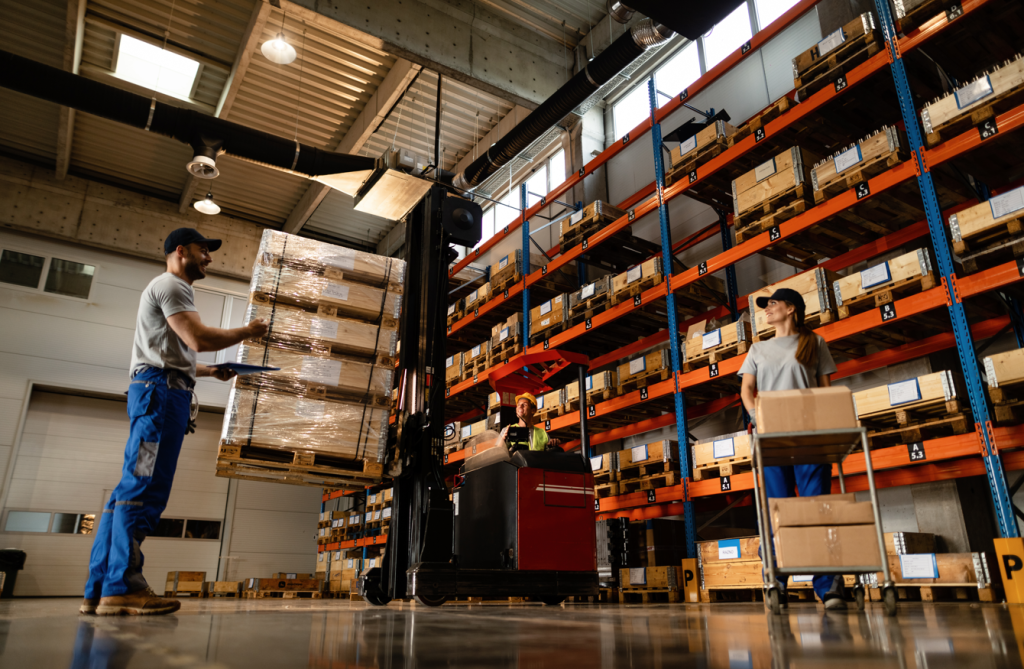
Most supply chains today live or die by how fast and accurately products move. That’s where warehouse distribution services really earn their place. They help businesses keep inventory flowing without things piling up, going missing, or arriving late to customers who are already impatient.
With ecommerce, retail, and B2B shipping volumes climbing year after year, warehouses can’t just be storage spaces anymore. They need to bend, shift, and keep up. That change has quietly pushed many brands to rethink how warehousing and fulfillment actually fit into their day-to-day operations.
Why Warehouse Distribution Services Matter in Today’s Supply Chain
The job of warehouse distribution services has stretched far beyond putting pallets on shelves. These days, it’s about moving inventory in smarter ways, turning orders around faster, and keeping shipping costs from getting out of hand.
A few things are driving this shift:
- Delivery windows keep getting shorter, and customers notice when you miss them
- SKU counts grow, and inventory moves in more complicated patterns
- Teams need real-time visibility, not end-of-week reports
- Labor and transportation costs keep climbing
Well-run warehouse distribution services help businesses deal with all of that without losing control or accuracy along the way.
Core Capabilities of Warehouse Distribution Services
Strong warehouse distribution services are built on processes that actually work in the real world, both inbound and outbound. Nothing fancy, just systems that hold up under pressure. Common capabilities include:
- Receiving and placing inventory in ways that make sense later
- Consolidating orders and coordinating outbound shipments
- Tracking inventory and orders with tech that people actually use
- Scaling workflows when volumes spike and things get busy
In some setups, a centralized warehouse plays a key role by keeping inventory tightly managed before products move closer to customers.
How Warehouse Distribution Services Support Business Growth
As order volumes rise, trying to handle everything in-house can slow things down fast. Mistakes creep in. Teams get stretched. This is where warehouse distribution services make growth feel manageable instead of chaotic.
Some of the real advantages include:
- Faster order processing without constantly hiring more staff
- Fewer errors thanks to repeatable, tested processes
- Better demand planning using actual fulfillment data
- Access to carrier networks that are already established
By leaning on warehouse distribution services, businesses get steadier operations and more breathing room to focus on sales, products, and customer experience.
Choosing the Right Warehouse Distribution Services Partner
Not every provider delivers the same results. Solid warehouse distribution services partners usually stand out through experience, clear communication, and performance you can actually measure.
When comparing options, it helps to look at things like:
- Experience with businesses similar to yours
- How well their systems integrate with your own
- Warehouse locations relative to your customers
- Inventory accuracy and compliance standards
Good partnerships don’t happen overnight. They’re built on consistency, follow-through, and trust that grows over time.
The Future of Warehouse Distribution Services
Looking ahead, warehouse distribution services will keep leaning into automation, better forecasting, and more regional distribution strategies. Still, technology alone won’t fix everything. Operations need steady oversight and people who know how to spot issues before they turn into problems.
Companies that invest in flexible, resilient distribution models now will have a much easier time adjusting as customer expectations and logistics networks keep shifting.
Contact Fulfillment Plus to get practical, flexible warehousing services without the usual complications.
FAQs – Warehouse Distribution Services
They usually cover inventory handling, order processing, outbound shipping coordination, and reporting to keep products moving smoothly.
ecommerce, retail, manufacturing, and wholesale businesses with fast-moving inventory tend to see the biggest gains.
Yes. Most professional operations are built to flex space, labor, and workflows during peak seasons.
In most cases, yes. Smarter inventory placement and coordinated shipping usually cut down transit time quite a bit.