Central Distribution Center: How Modern Fulfillment Really Works
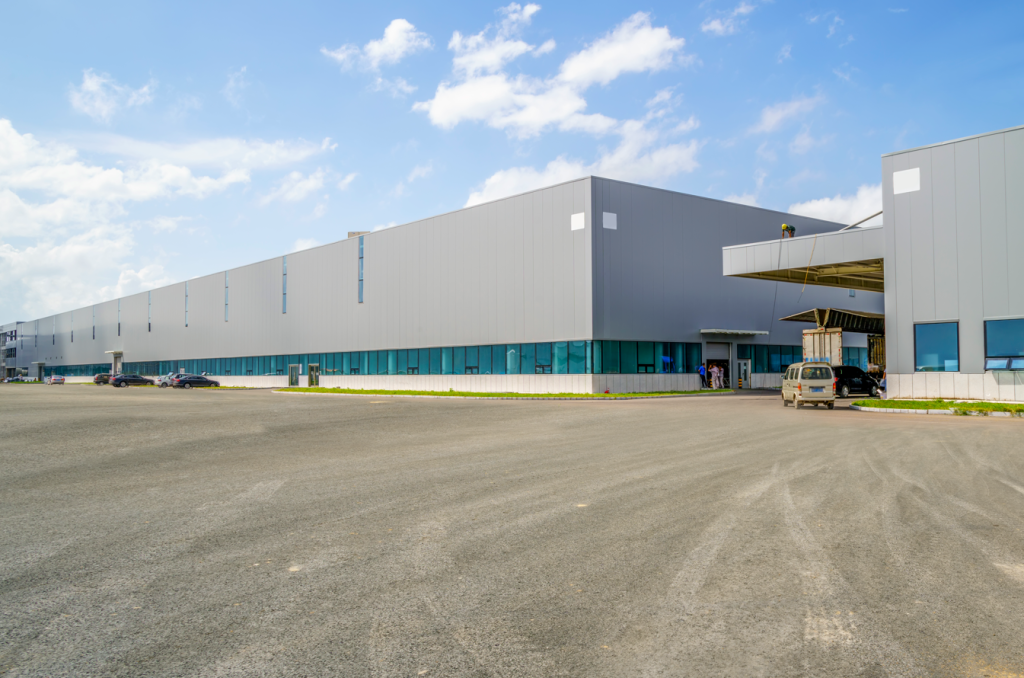
Logistics is less about storage and more about movement, coordination, and speed. Businesses are under pressure to ship faster, manage inventory better, and support multiple sales channels without losing control. At the center of all this sits the central distribution center.
Within the first stages of scaling operations, many brands pause to ask what is a distribution center, how does a distribution center work, and even is a distribution center a warehouse. These aren’t technical questions. They’re strategic ones. The answers shape how efficiently a business can fulfill orders, control costs, and grow without chaos.
Snapshot Summary: Central Distribution Center Explained
- Acts as a primary hub for inbound and outbound inventory
- Supports faster order processing and redistribution
- Centralizes inventory visibility and control
- Plays a key role in omnichannel and multi-location fulfillment
- Scales more efficiently than fragmented storage models
What Is a Distribution Center?
A distribution center is a facility designed to move products, not just store them.
Unlike static storage spaces, a distribution center receives inventory, organizes it, processes orders, and ships products out quickly. Goods are rarely meant to sit still for long. The focus is flow.
When businesses ask what is a distribution center, the simplest answer is this:
it’s where products pause briefly before reaching customers or downstream locations.
A central distribution center takes this concept further by acting as the main inventory hub that supports multiple fulfillment points, retail locations, or sales channels.
How Does a Distribution Center Work Day to Day?
Understanding how does a distribution center work helps explain why it’s become so important in modern logistics.
Here’s a simplified flow:
- Inventory arrives from manufacturers or suppliers
- Products are received, inspected, and logged into the system
- Items are stored temporarily in organized zones
- Orders are generated from sales channels
- Inventory is picked, packed, and prepared for shipment
- Products ship directly to customers or secondary locations
The key difference is speed and coordination. Every step is designed to reduce idle time and improve accuracy.
Central Distribution Center vs Traditional Storage Models
As operations grow, many businesses ask are warehouses and distribution centers the same. The short answer is no.
Comparison Table
| Function | Warehouse | Central Distribution Center |
| Primary role | Storage | Movement and distribution |
| Inventory turnover | Low | High |
| Order processing | Limited | Core function |
| Technology use | Basic | Advanced systems |
| Scalability | Slower | Designed to scale |
This also answers a common question: is a distribution center a warehouse.
Technically, it can store inventory, but operationally, it serves a very different purpose.
Why Central Distribution Centers Matter More in 2026
A central distribution center helps businesses respond to these realities by:
- Keeping inventory synchronized
- Reducing fulfillment delays
- Supporting multiple sales channels
- Improving forecasting and planning
As brands expand into omnichannel models, central hubs help prevent inventory fragmentation and operational blind spots.
The Role of a Central Distribution Center in Modern Fulfillment
In 2026, distribution centers no longer operate in isolation. They’re part of a connected fulfillment ecosystem.
A central hub often supports:
- Regional fulfillment locations
- Direct-to-consumer orders
- Marketplace fulfillment
- Retail replenishment
This structure allows businesses to scale methodically instead of reacting to growth with scattered storage decisions.
Some operations still rely on a centralized warehouse early on, but as order velocity increases, the distribution center model provides more flexibility and control.
Inventory Control Starts at the Center
A major advantage of a central distribution center is visibility.
When inventory is spread across disconnected locations, errors multiply. Centralizing inbound inventory allows businesses to use inventory control solutions that track stock in real time.
Benefits include:
- Fewer stockouts
- Less overselling
- Better demand forecasting
- Cleaner reporting
Inventory accuracy isn’t just an operational win. It directly impacts customer trust and revenue.
Distribution Centers and Product Fulfillment
Distribution centers sit upstream of delivery. They don’t replace fulfillment, they power it.
By feeding accurate inventory into downstream systems, central hubs support faster and more reliable order execution. This is where broader product fulfillment solutions come into play, connecting inventory, orders, and shipping into a single operational flow.
When the center functions well, fulfillment downstream becomes predictable instead of reactive.
When a Central Distribution Center Makes Sense
A central distribution center is a strong fit when:
- Order volume is growing steadily
- Multiple sales channels are active
- Inventory accuracy issues start appearing
- Shipping costs rise unpredictably
- Expansion plans require structure
Early adoption can prevent future bottlenecks, but overbuilding too soon can slow flexibility.
How Distribution Centers Fit Into Omnichannel Operations
In omnichannel environments, central distribution centers often:
- Serve as the main inventory intake point
- Feed regional fulfillment locations
- Balance inventory across channels dynamically
This prevents the need to duplicate stock across every location and helps maintain consistent customer experiences.
Cost Structure of a Central Distribution Center
Costs vary widely, but common components include:
- Facility space and storage
- Labor and handling
- Technology systems
- Inbound and outbound transportation
While upfront investment can be higher than simple storage, long-term efficiency often offsets the cost through reduced errors and faster fulfillment.
Distribution Center Best Practices in 2026
To get real value from a central distribution center:
- Prioritize system integration early
- Design layouts around movement, not storage
- Use data to guide replenishment decisions
- Plan scalability before demand spikes
Operational discipline matters more than square footage.
FAQs: Central Distribution Center
It’s used to receive, process, and ship products quickly rather than store them long term.
A distribution center focuses on order flow and speed, while warehouses focus on storage.
Not exactly. While it may store goods temporarily, its primary purpose is distribution.
No. They serve different operational roles and support different business needs.
It can, especially when inventory is better positioned and routed efficiently.
Is a Central Distribution Center Worth It in 2026?
In 2026, logistics success depends on structure. At Fulfillment Plus, we see a central distribution center as the backbone that brings inventory, fulfillment, and growth under one operational roof.
For businesses dealing with higher order volume, more sales channels, or ongoing inventory challenges, this model brings clarity and control. It’s not about being bigger. It’s about being organized enough to grow without friction with Fulfillment Plus keeping everything aligned as you scale.