Complete Fulfillment: The Ultimate Guide to End-to-End Fulfillment Services in 2026
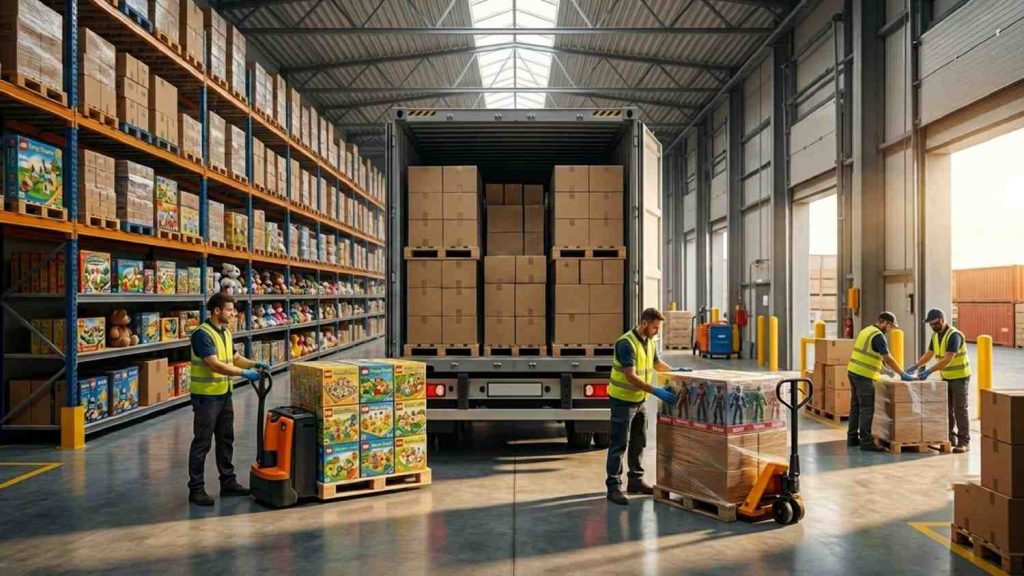
Customer expectations have evolved. Fast shipping, accurate orders, real-time inventory updates, and seamless returns are no longer advantages—they’re expectations.
That’s why businesses across ecommerce, retail, healthcare, consumer goods, and marketing operations are investing in complete fulfillment solutions.
Instead of managing inventory, shipping, warehouse operations, and customer delivery separately, companies are adopting integrated fulfillment models that simplify logistics and support growth.
This guide explains what complete fulfillment means in 2026, how it works, the services included, and how businesses can choose the right fulfillment strategy.
What Is Complete Fulfillment?
Complete fulfillment refers to an end-to-end logistics process where a fulfillment partner manages the entire order lifecycle—from inventory intake to final delivery and returns.
Rather than outsourcing individual warehouse functions, businesses centralize fulfillment operations under one coordinated system.
A complete fulfillment process typically includes:
- Inventory receiving
- Warehousing and storage
- Inventory management
- Order processing
- Pick and pack services
- Packaging and labeling
- Shipping coordination
- Delivery tracking
- Returns processing
- Reporting and analytics
The objective is simple: reduce operational complexity while improving speed and customer experience.
Why Complete Fulfillment Matters in 2026
Growth creates operational pressure.
As order volumes increase, managing fulfillment internally often becomes expensive and inefficient.
Businesses adopting complete fulfillment gain greater flexibility while maintaining service consistency.
Key business advantages include:
- Faster order processing
- Lower operating costs
- Improved shipping performance
- Better inventory control
- Higher customer satisfaction
- Easier expansion into new markets
- Reduced internal logistics workload
Instead of building warehouse infrastructure internally, businesses can focus on growth activities.
How Complete Fulfillment Works
Understanding the fulfillment journey helps businesses identify where efficiency is created.
Step 1: Inventory Receiving
Products arrive at the fulfillment facility.
The warehouse team verifies quantities, inspects shipments, and updates inventory systems.
This stage creates inventory visibility before orders begin.
Step 2: Storage and Inventory Management
Inventory is organized for efficient retrieval.
Modern fulfillment operations use systems that provide:
- SKU tracking
- Inventory forecasting
- Stock alerts
- Real-time reporting
Effective inventory management reduces stockouts and excess inventory.
Step 3: Order Processing
Orders automatically flow from ecommerce platforms, marketplaces, ERP systems, or retail channels into fulfillment workflows.
Automation reduces manual handling and accelerates processing.
Step 4: Pick and Pack Operations
Once orders are received:
- Products are picked
- Items are verified
- Orders are packed
- Shipping labels are generated
Accurate execution improves delivery reliability.
Step 5: Shipping and Delivery
Carrier selection becomes critical during this phase.
Complete fulfillment operations optimize:
- Delivery speed
- Carrier selection
- Shipping zones
- Cost efficiency
Customers receive tracking visibility throughout delivery.
Step 6: Returns and Reverse Logistics
Returns management is increasingly important.
Complete fulfillment includes:
- Product inspection
- Return processing
- Restocking workflows
- Inventory reconciliation
A streamlined return process supports customer retention.
Services Included in Complete Fulfillment
Different providers offer different capabilities, but modern complete fulfillment usually includes the following.
Warehousing
Inventory storage with operational flexibility.
Pick and Pack
Accurate order preparation and packaging.
Ecommerce Fulfillment
Direct integration with online stores.
Retail Fulfillment
Support for store replenishment and retail distribution.
Kitting and Assembly
Combining products into promotional or subscription packages.
Custom Packaging
Branded customer experiences.
Distribution Services
Efficient nationwide delivery support.
Reporting and Analytics
Visibility across fulfillment performance.
Who Needs Complete Fulfillment?
Not every business requires end-to-end logistics immediately—but many benefit earlier than expected.
Ecommerce Brands
Reduce fulfillment complexity while scaling.
Consumer Product Companies
Improve inventory and delivery consistency.
Retail Businesses
Support omnichannel operations.
Subscription Businesses
Handle recurring shipments efficiently.
Promotional Campaign Teams
Manage kit assembly and distribution.
Growing Brands
Scale without warehouse expansion.
Complete Fulfillment vs Traditional Warehousing
| Factor | Complete Fulfillment | Traditional Warehousing |
|---|---|---|
| Inventory Storage | Included | Included |
| Order Processing | Included | Limited |
| Shipping | Managed | Usually external |
| Returns | Included | Limited |
| Reporting | Advanced | Basic |
| Customer Delivery Focus | High | Moderate |
| Scalability | High | Moderate |
Traditional warehousing stores inventory.
Complete fulfillment moves products efficiently from inventory to customers.
What to Look for in a Complete Fulfillment Partner
Choosing the right provider requires evaluating operational capability—not just warehouse size.
Technology Infrastructure
Look for:
- Warehouse Management Systems
- Ecommerce integrations
- Inventory dashboards
- Automation capabilities
Nationwide Shipping Support
Delivery reach affects customer satisfaction.
Evaluate:
- Carrier network
- Shipping flexibility
- Delivery speed
Scalability
Ask whether operations support:
- Seasonal spikes
- New product launches
- Volume expansion
Transparency
Strong fulfillment partners provide:
- Reporting access
- Performance visibility
- Operational communication
Custom Services
Businesses often need fulfillment beyond standard shipping.
Examples include:
- Kitting
- Campaign logistics
- Packaging customization
- Retail preparation
Common Fulfillment Challenges Complete Fulfillment Solves
Inventory Inaccuracy
Real-time inventory systems improve visibility.
Delayed Shipping
Optimized workflows reduce processing time.
High Operational Costs
Centralized logistics improves efficiency.
Manual Processes
Automation increases speed and consistency.
Growth Bottlenecks
Scalable infrastructure supports expansion.
Why Businesses Are Moving Toward Complete Fulfillment in 2026
The logistics landscape is changing.
Customers expect faster delivery.
Brands require better reporting.
Operations need flexibility.
Businesses that adopt complete fulfillment gain the ability to improve execution without expanding internal logistics teams.
This creates a stronger foundation for sustainable growth.
How Fulfillment Plus Inc. Supports Complete Fulfillment
Modern fulfillment requires more than warehouse capacity.
Fulfillment Plus Inc. supports brands with integrated fulfillment capabilities designed to simplify logistics and improve execution across the order lifecycle.
Services include:
- Inventory management
- Pick and pack fulfillment
- Ecommerce fulfillment
- Kitting and assembly
- Distribution support
- Promotional logistics
- Flexible fulfillment operations
The objective is to help businesses scale fulfillment without increasing operational complexity.
As logistics becomes more connected and customer expectations continue rising, complete fulfillment is becoming an essential growth strategy.
Businesses that centralize fulfillment operations gain better visibility, faster execution, and stronger customer experiences.
Choosing the right fulfillment partner can reduce friction, improve delivery performance, and support long-term growth.
Looking for a Complete Fulfillment Partner?
Simplify logistics, improve operational visibility, and deliver better customer experiences with fulfillment solutions designed to scale.
Whether you need inventory management, pick and pack, kitting, or nationwide distribution, Fulfillment Plus Inc. helps brands streamline operations from start to finish.